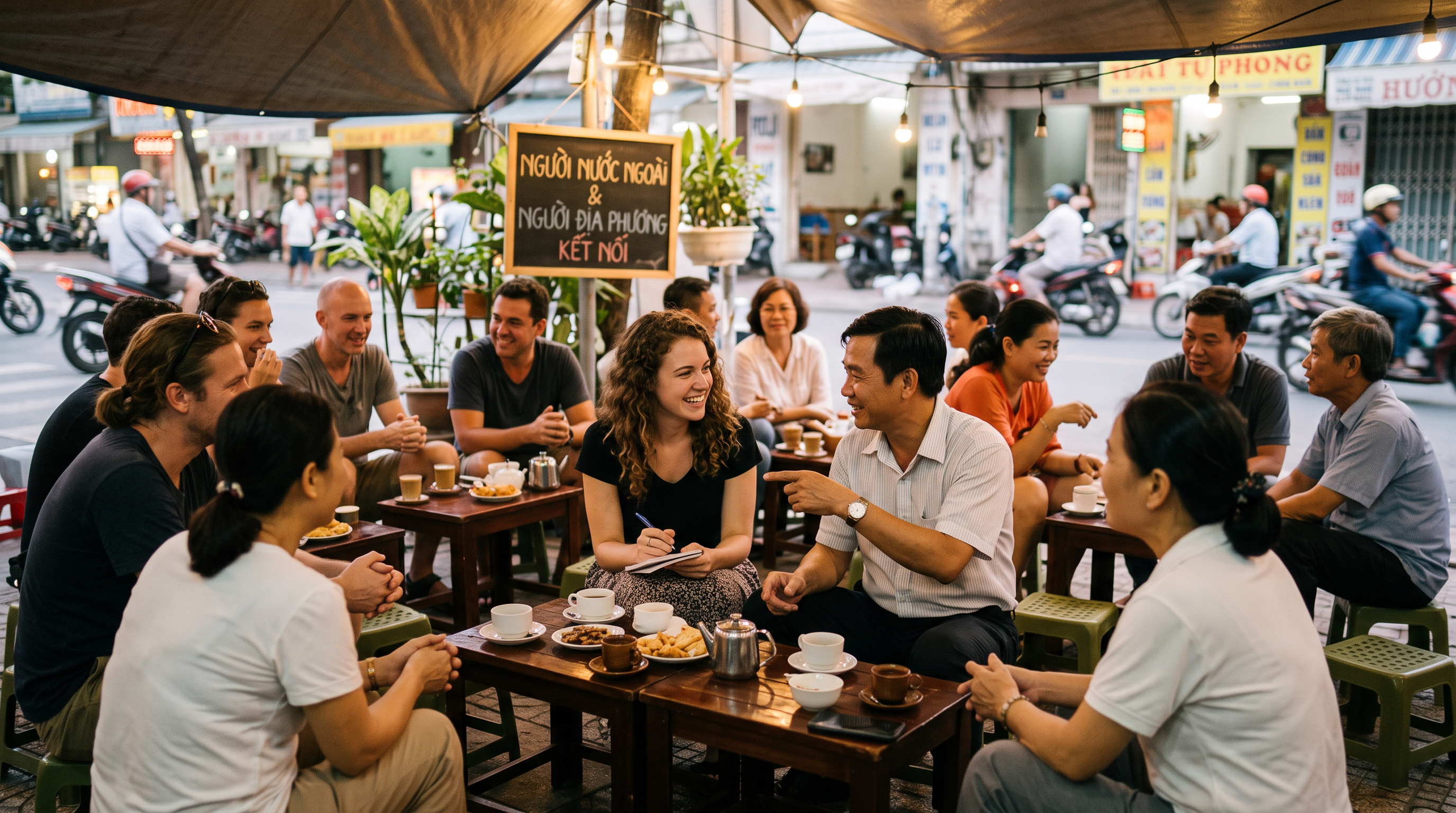
Vietnam hosts a growing expatriate community, particularly in major cities like Ho Chi Minh City and Hanoi. Proactively seeking out and participating in community networks is a crucial first step toward feeling connected. Online platforms such as expat-focused Facebook groups, InterNations, or other networking apps serve as good starting points. However, don't underestimate the power of offline activities: joining sports clubs, hobby groups, or language exchange meetups can foster deeper connections. Be open and actively engage in community events to meet people with shared interests and passions. Overcoming language barriers is key to deeper integration. While English is spoken in urban areas, learning a few basic Vietnamese phrases will open many doors. It not only helps with daily interactions but also shows respect and a desire to connect with the local culture. Enrolling in Vietnamese classes, attending language exchange sessions, or finding a local language partner for practice will be invaluable investments in your Vietnamese experience. Persistence in language learning will be rewarded with more genuine relationships. Understanding and respecting local culture plays an essential role in building a sense of belonging. Vietnam boasts a rich culture with unique traditions and customs. Take the time to learn about local holidays, etiquette, and try to participate in cultural activities when opportunities arise. Showing genuine interest and respect for traditional values will help you build rapport and good relationships with locals. Don't hesitate to try new foods, join local festivals, or learn about Vietnam's history and arts. Engaging in volunteer work is an excellent way to contribute to the community and build meaningful connections. Many non-governmental organizations (NGOs), schools, or local community groups seek volunteer support. This offers not only a chance to help others but also an opportunity to gain a deeper understanding of local life, meet like-minded individuals, and make a positive impact. Look for volunteer opportunities that align with your interests and skills to enrich your experience. Finally, timely completion of essential administrative procedures will allow you to focus on building your new life with peace of mind. Regulations require foreigners to register their temporary residence with local police within 7-14 days of arrival, needing documents like a lease agreement or hotel confirmation, passport, and visa. For longer stays, you may need to investigate work permits, Temporary Residence Cards (TRC), or specific visa types. Proactively understanding and adhering to legal requirements will help you avoid unnecessary complications and focus on building your community.

Language