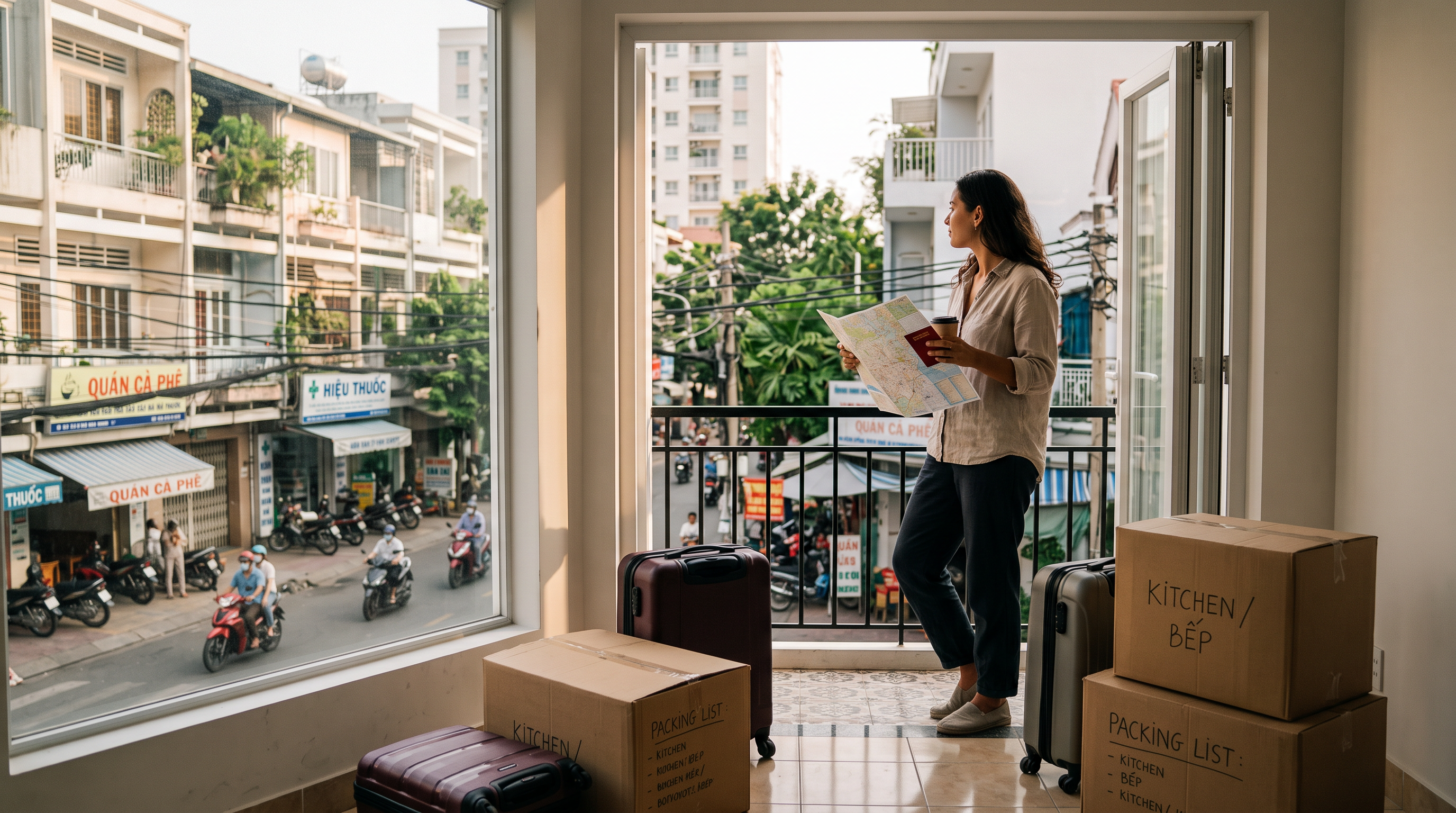
Moving to Vietnam involves meticulous preparation across legal, living, and integration aspects. Understanding visa types, long-term residency procedures, and necessary documentation is a crucial first step. E-visas are available for up to 90 days, but for longer stays, exploring Temporary Residence Cards (TRC) or work permits is essential. Always verify accurate information with official authorities to ensure compliance with regulations. The cost of living in Vietnam is generally affordable compared to many Western countries, though expenses can vary depending on the chosen city, with Hanoi and Ho Chi Minh City typically being more expensive than Da Nang or Hoi An. Finding accommodation is another top priority. Popular options include apartments, serviced condos, and houses, with rental prices fluctuating significantly. It's advisable to research the market, negotiate fair prices, and thoroughly review lease agreements. Urban transportation primarily relies on motorbikes, but traffic can be chaotic and requires caution. Ride-sharing apps like Grab are widely used and convenient. For inter-provincial travel, buses, trains, and domestic flights offer economical options. Foreigners generally need a Vietnamese driver's license to operate cars. Familiarize yourself with driver's license regulations and choose transportation modes that suit your needs. Vietnam's healthcare system includes both public and private facilities. Public hospitals are low-cost but can be crowded and may have limited English-speaking staff. Private and international hospitals offer higher quality care with English-speaking doctors, albeit at a higher cost. Foreigners are not eligible for public health insurance but can use services and pay non-subsidized rates. Arranging international or private health insurance is highly recommended. Opening a bank account typically requires a long-term visa or a residence permit valid for at least 12 months, along with a work permit or TRC. This process usually necessitates an in-person visit to the bank. It's wise to contact banks beforehand to understand the required documents and specific procedures, as requirements can vary slightly between institutions. Having all necessary paperwork ready will facilitate a smoother account opening process.

Language