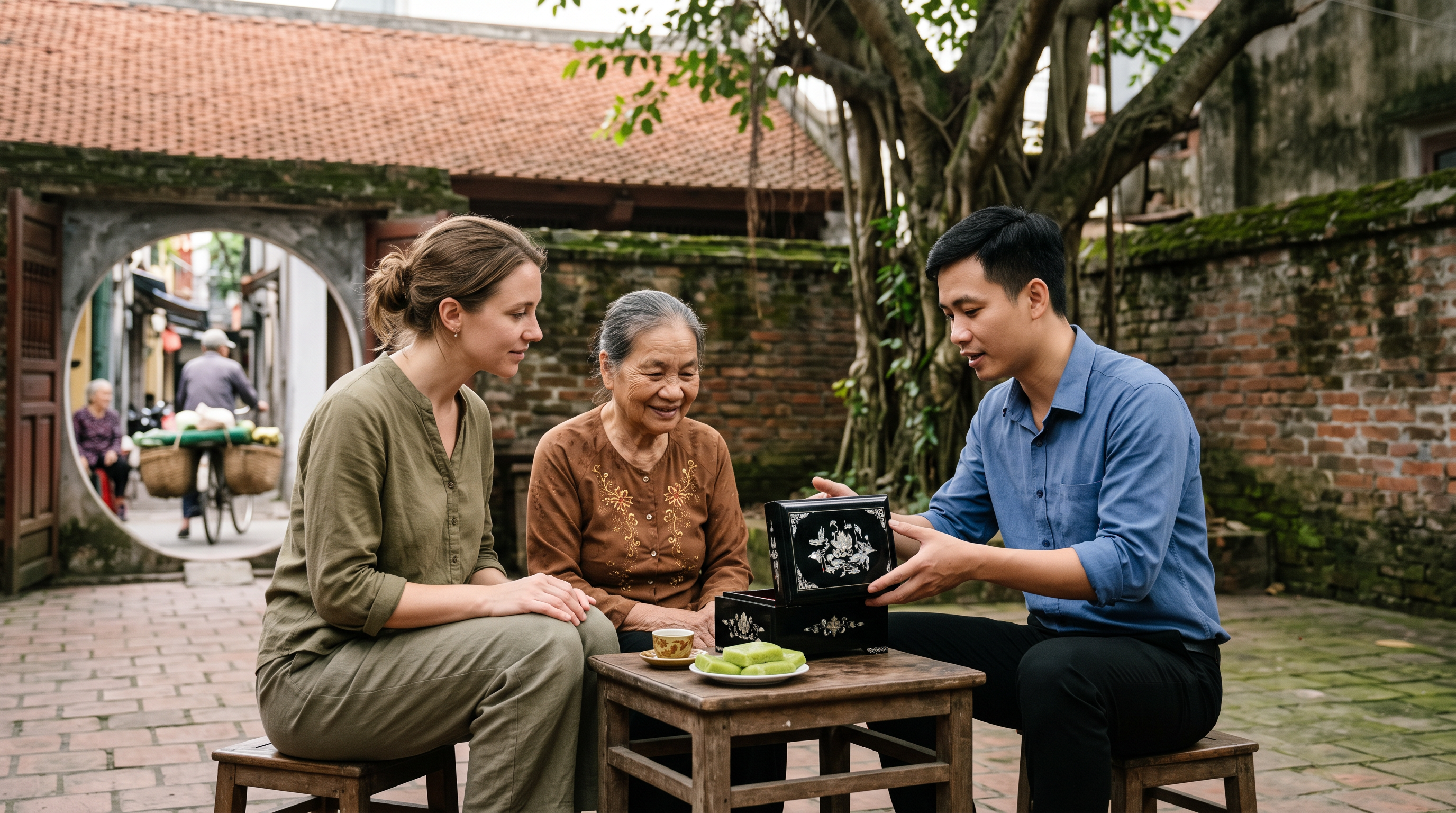
Vietnam boasts an ancient and distinct culture, deeply intertwined with its millennia-long history, bearing significant influences from Chinese, Buddhist, and French colonial periods. For newcomers, understanding and respecting core values such as family loyalty, respect for elders, social harmony, humility, and hospitality is paramount. The concept of 'saving face' plays a crucial role in communication, requiring tact to avoid public embarrassment or direct confrontation. When engaging with local life, especially in rural areas or when visiting homes, modest dress, covering shoulders and knees, is considered a sign of respect. Vietnamese is a tonal language, and while locals are often encouraging of foreigners attempting to speak it, a respectful attitude and genuine effort are more important than perfect pronunciation. 'Exploring Vietnam' ('Khám phá Việt Nam') is not just about tourism; it's a journey to discover the diversity of ethnic groups, traditions, and its stunning natural landscapes. To truly integrate, proactively learning about customs, participating in local cultural activities, and showing genuine interest will help you build meaningful connections. As you begin your new life in Vietnam, familiarizing yourself with residency regulations is essential. Foreigners staying in Vietnam are required to register their temporary residence with local police authorities, which can be done online or in person. If you intend to work, obtaining a work permit and temporary residence card is mandatory, usually with assistance from your employer. For financial matters, opening a bank account typically requires a work permit or temporary residence card; short-term tourists may face restrictions. Potential challenges may include the complexity of visa regulations, which can change and require verification with Vietnamese embassies or consulates. The language barrier can pose difficulties in daily communication and accessing services, although the friendliness of locals often mitigates this. Additionally, cultural differences in communication styles, particularly indirectness, might lead to misunderstandings if not carefully navigated. To enrich your experience, consider joining cooking classes, enjoying traditional arts like water puppetry or Ca Trù singing, or simply wandering through local markets to absorb the daily rhythm. Learning about historical cultural sites, attending local festivals (if opportunities arise), and engaging in conversations with residents will provide profound insights and unforgettable memories, helping you truly feel at home.

Language